
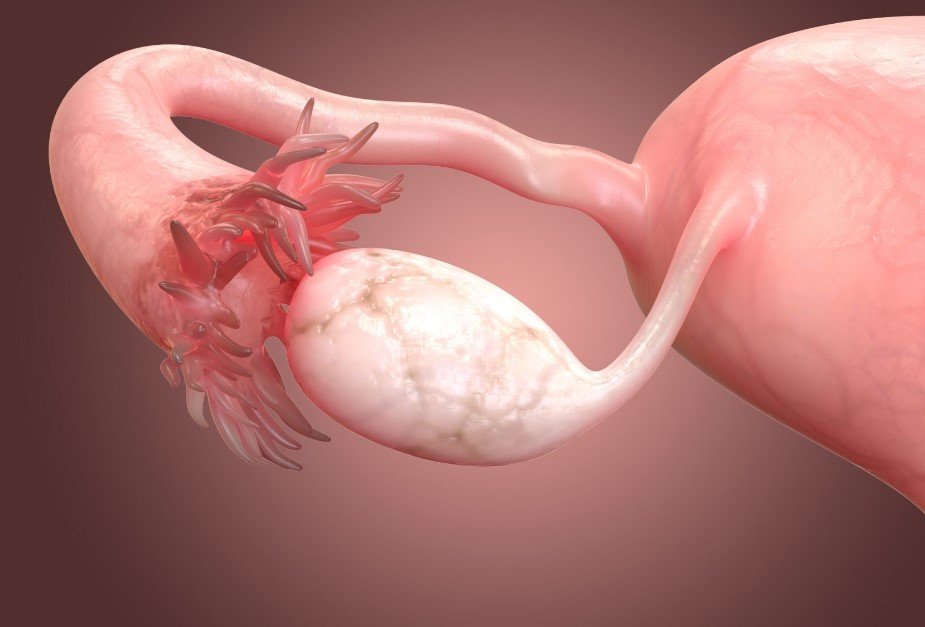
Ovarian Cancers

Ovarian cancer

Introduction

Ovarian cancer is a type of cancer that begins in the ovaries, the female reproductive organs responsible for producing eggs. It is one of the most common types of gynecological cancers and can be challenging to detect in its early stages. This guide aims to provide an overview of ovarian cancer, its symptoms, diagnosis, treatment options, and preventive measures.

Types of Ovarian Cancer

  1. Epithelial Ovarian Cancer: This is the most common type, originating from the cells that line the ovaries.
  2. Stromal Ovarian Cancer: This type originates from the ovarian tissue that produces hormones.
  3. Germ Cell Ovarian Cancer: This rare type originates from the egg-producing cells within the ovaries.

Risk Factors

  • Age: The risk of ovarian cancer increases with age, with most cases diagnosed in women over 50.
  • Family History: Women with a family history of ovarian, breast, or colorectal cancer may have an increased risk.
  • Genetic Mutations: BRCA1 and BRCA2 gene mutations can increase the risk of ovarian cancer.
  • Reproductive History: Factors like never having children or starting menstruation at an early age can increase the risk.

Symptoms

  • Abdominal Bloating or Swelling
  • Pelvic Pain or Pressure
  • Difficulty Eating or Feeling Full Quickly
  • Frequent Urination
  • Changes in Bowel Habits
  • Unexplained Weight Loss

Prevention

  • Birth Control Pills: Long-term use of oral contraceptives may reduce the risk of ovarian cancer.
  • Pregnancy and Breastfeeding: Having children and breastfeeding may lower the risk.
  • Surgery: Prophylactic surgery to remove the ovaries and fallopian tubes may be considered for women at high risk due to genetic mutations.
  • Regular Screening: While there’s no routine screening test for ovarian cancer, regular pelvic exams and awareness of symptoms can help in early detection.

Book an Appointment

Take the first step towards prioritizing your health by scheduling a personalized consultation with our expert team today.