
Family Planning

Introduction

Contraceptive services play a crucial role in family planning and reproductive health. With a wide range of contraceptive methods available, individuals have the opportunity to choose the option that best suits their needs and preferences. This guide aims to provide an overview of contraceptive services, the available methods, and their benefits and considerations.

Types of Contraceptive Methods

  1. Hormonal Methods

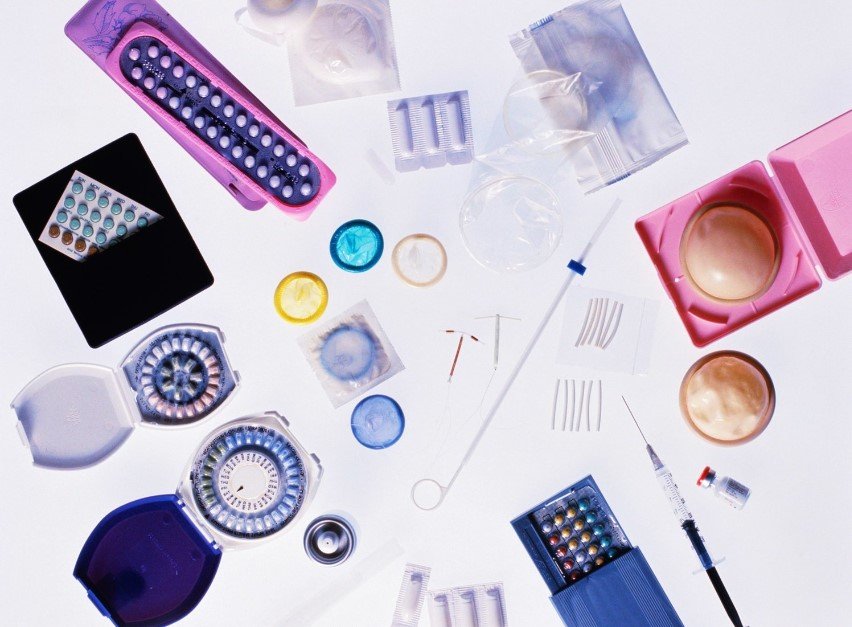
    • Birth Control Pills: Oral contraceptives that contain hormones to prevent ovulation.
    • Contraceptive Patch: A patch worn on the skin that releases hormones.
    • Vaginal Ring: A flexible ring inserted into the vagina that releases hormones.
  2. Barrier Methods

    • Condoms: Latex or polyurethane sheaths worn over the penis or inserted into the vagina to prevent sperm from reaching the egg.
    • Diaphragm/Cervical Cap: Silicone devices inserted into the vagina to cover the cervix and block sperm.
    • Spermicides: Chemical substances that kill or disable sperm.
  3. Long-Acting Reversible Contraceptives (LARCs)

    • IUDs: Small T-shaped devices inserted into the uterus to prevent pregnancy.
    • Implants: Small rods implanted under the skin that release hormones to prevent ovulation.
  4. Permanent Methods

    • Tubal Ligation/Vasectomy: Surgical procedures to permanently block or remove the fallopian tubes (for women) or vas deferens (for men).

Benefits of Contraceptive Services

  • Prevention of Unplanned Pregnancy: Allows individuals to plan and space pregnancies according to their life circumstances and desires.
  • Improvement in Reproductive Health: Reduces the risk of unintended pregnancies, which can lead to better maternal and child health outcomes.
  • Empowerment and Autonomy: Provides individuals with the autonomy to make decisions about their own bodies and reproductive futures.

Considerations When Choosing a Contraceptive Method

  • Effectiveness: Some methods are more effective than others. It’s essential to choose a method that aligns with your lifestyle and preferences.
  • Side Effects: Hormonal methods may have side effects like weight gain, mood changes, or irregular bleeding. Discuss potential side effects with a healthcare provider.
  • Accessibility and Affordability: Consider the cost and accessibility of different contraceptive methods. Some methods may require a prescription or healthcare provider visit.

Book an Appointment

Set up a private consultation with our knowledgeable staff to begin prioritizing your reproductive health right away.